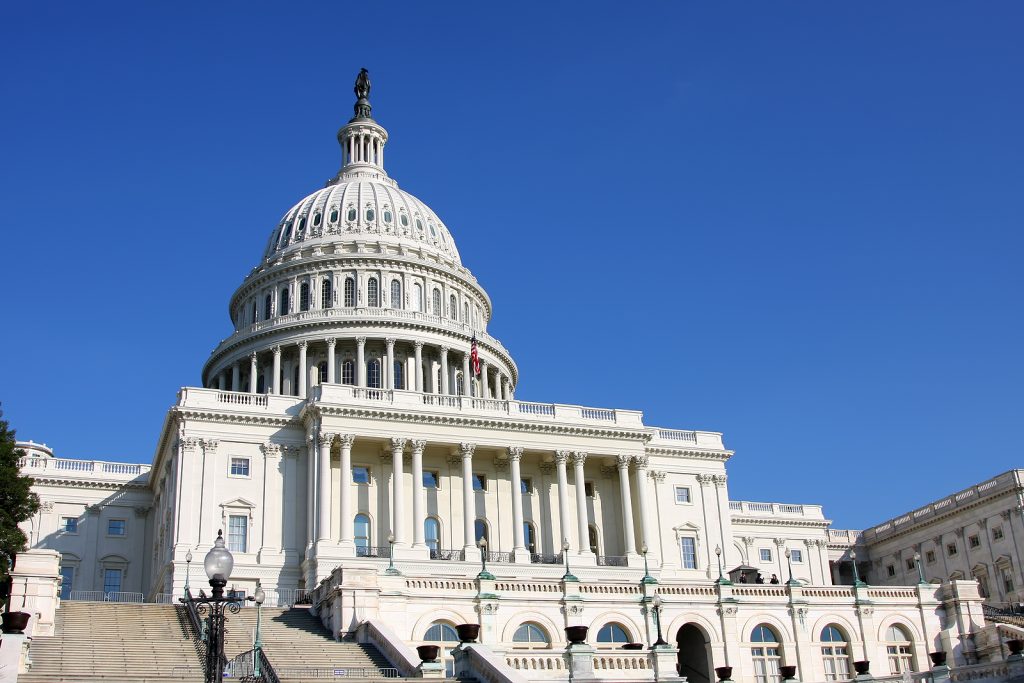

In the United States, the decision to go to war involves a complex interplay between various branches of government, primarily Congress and the President. The Constitution grants Congress the power to declare war, while the President, as Commander-in-Chief, has the authority to direct military operations. This duality often leads to debates about the correct balance of power.
When a military conflict arises, the President may act unilaterally, especially in situations that require swift action. However, sustained military engagements typically necessitate Congressional approval, which can take the form of war declarations or authorizations for the use of military force (AUMF).
Public opinion and political considerations also play significant roles; lawmakers are often influenced by the sentiments of their constituents. Additionally, international obligations, such as treaties or alliances, may guide decisions about military involvement. Ultimately, the complexities of global politics and domestic priorities shape how and when the U.S. engages in war.
For more details and the full reference, visit the source link below: