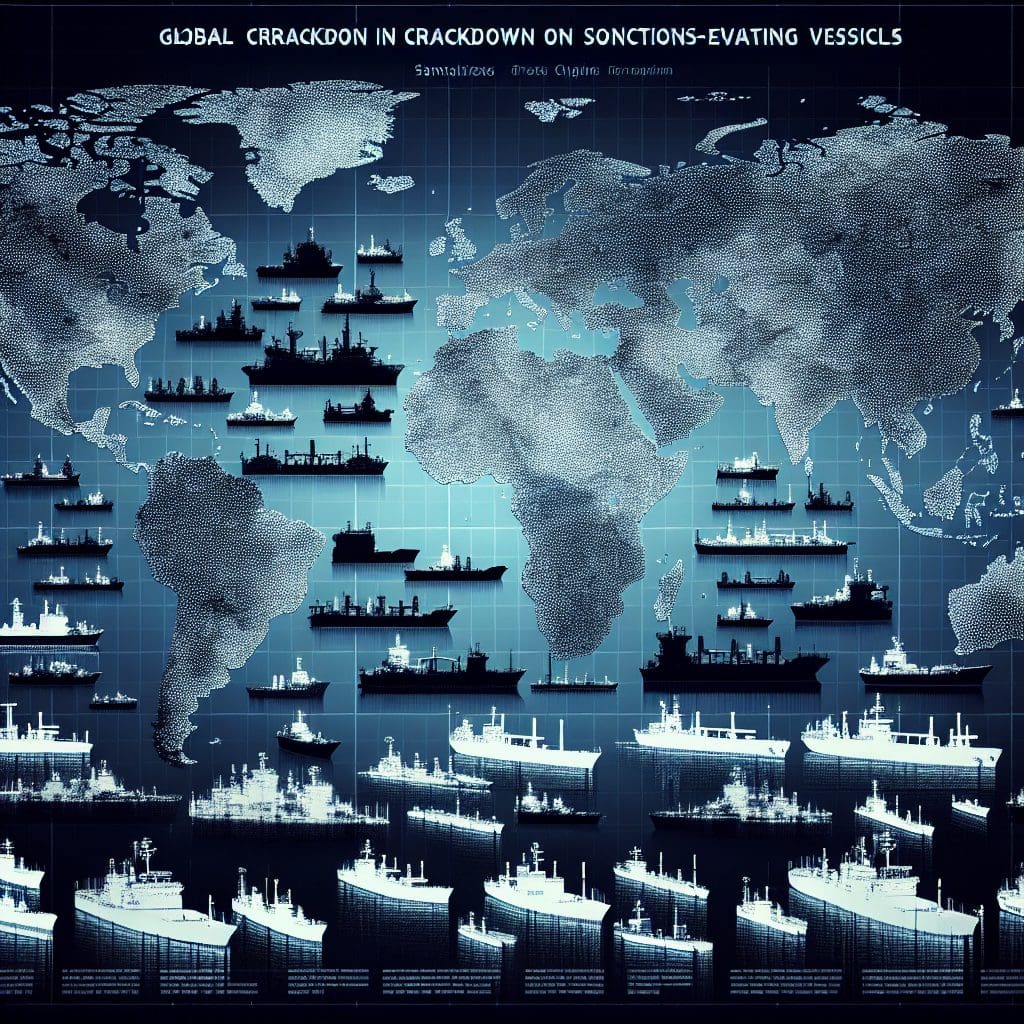

The emergence of shadow fleets—vessels operating to circumvent international sanctions—poses significant challenges to global maritime security and economic stability. These fleets are often registered under flags of convenience, enabling them to evade regulatory scrutiny while transporting sanctioned goods, particularly oil and commodities. The rise of such vessels has forced nations to adopt more stringent surveillance and enforcement measures, including advanced satellite tracking technologies and international naval cooperation.
Recent crackdowns highlight collaborative efforts among countries to trace ownership, monitor vessel movements, and impose penalties on those involved in sanctions evasion. This global initiative not only aims to uphold international laws but also seeks to diminish the financial capabilities of regimes that rely on such illicit trade. However, the fluid nature of maritime routes and the constant adaptation of shadow fleet tactics complicate enforcement efforts. As this cat-and-mouse game continues, it underscores the necessity for enhanced international engagement and innovative regulatory frameworks to combat maritime sanction evasion effectively.
For more details and the full reference, visit the source link below: