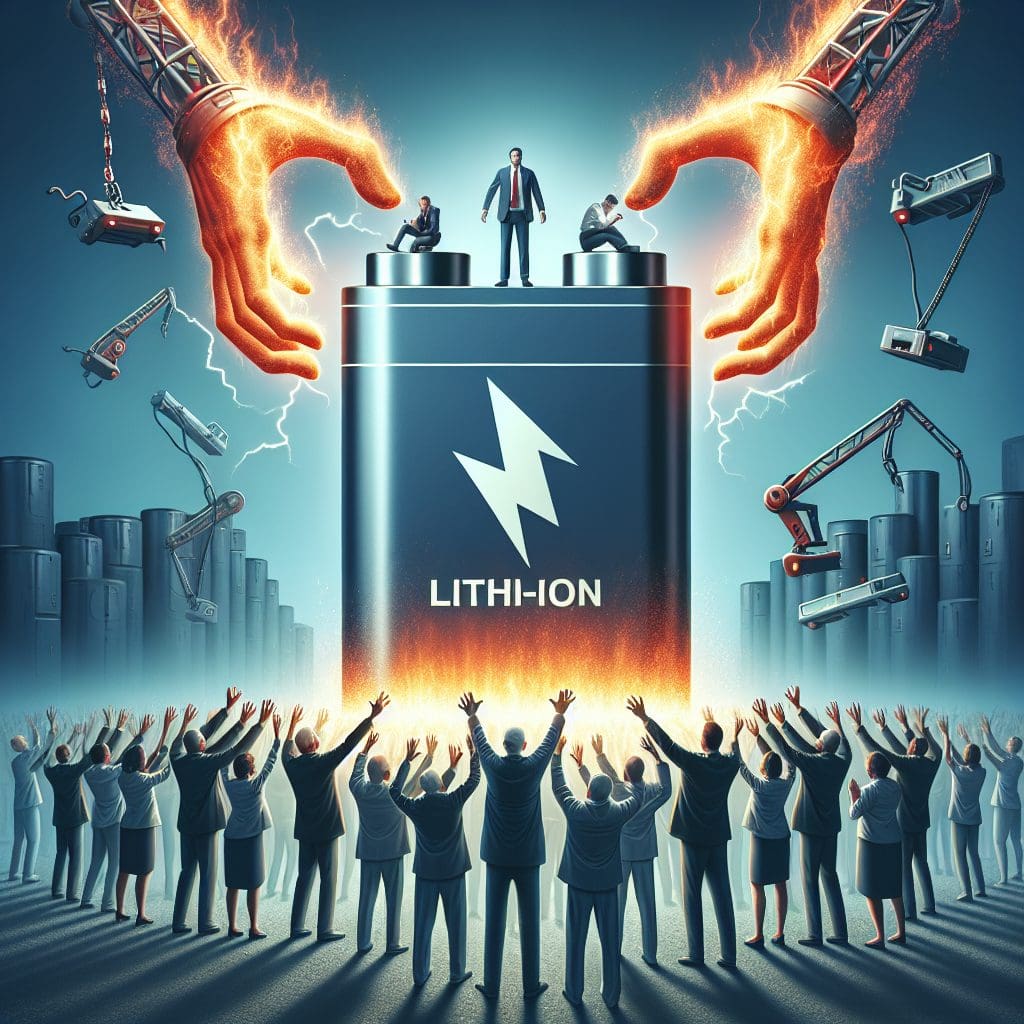

As the demand for electric vehicles (EVs) and renewable energy storage surges, the reliance on lithium-ion batteries has intensified, raising concerns among experts about associated risks. These batteries, known for their high energy density and efficiency, are not without peril. Improper handling, manufacturing flaws, and environmental impacts can lead to overheating, fires, and explosions.
Experts warn that as production ramps up to meet consumer needs, safety regulations and quality control may lag behind. Additionally, the extraction of lithium poses environmental challenges, including water depletion and pollution, particularly in lithium-rich areas.
Moreover, the quick evolution of battery technology can result in older designs becoming obsolete, creating potential waste management issues. Without robust guidelines and innovative recycling solutions, the shift towards a battery-reliant economy might bring unforeseen consequences.
Stakeholders must prioritize safety standards and sustainable practices to harness the benefits of lithium-ion technology while minimizing its inherent risks.
For more details and the full reference, visit the source link below: