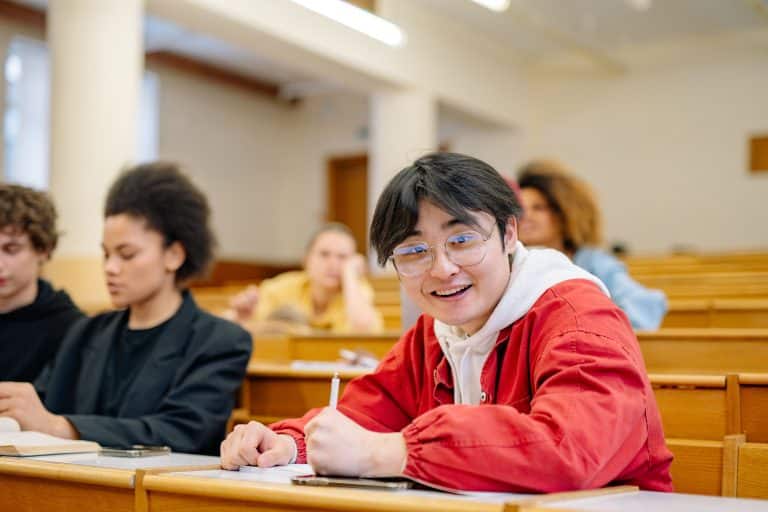

Educational institutions are increasingly adapting to the evolving expectations of students in a rapidly changing world. Today’s learners seek more than traditional classroom experiences; they demand flexibility, inclusivity, and practical applications of knowledge. In response, many schools and universities are incorporating blended learning models that combine online and in-person instruction, allowing students to tailor their educational journeys.
Moreover, institutions are emphasizing mental wellness and support services, recognizing the importance of a holistic educational experience. They are also enhancing their curricula to include real-world skills, such as critical thinking, collaboration, and digital literacy, to better prepare students for the workforce.
Additionally, schools are leveraging technology to foster engagement and interactivity, utilizing tools such as virtual reality and gamified learning. Feedback mechanisms are becoming commonplace, enabling students to voice their opinions on curriculum and teaching styles. Through these efforts, educational institutions are not only meeting student expectations but also shaping a more responsive and dynamic learning environment.
For more details and the full reference, visit the source link below:


