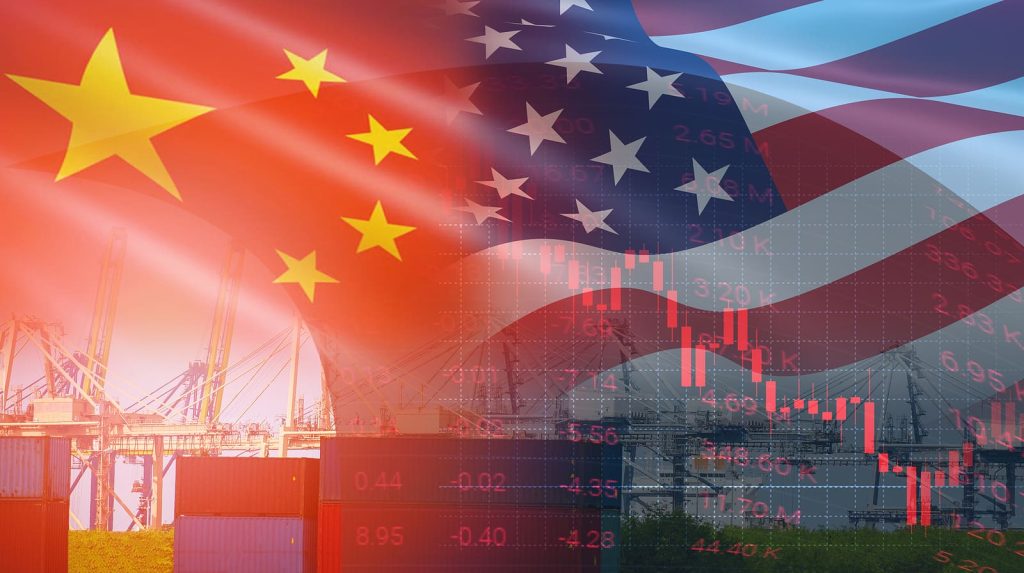

Donald Trump’s approach to China marked a significant shift in U.S. foreign policy, characterized by a mix of toughness and strategic maneuvering. His administration implemented tariffs on Chinese goods, aiming to address trade imbalances and intellectual property theft. This aggressive stance resonated with many Americans concerned about job losses due to outsourcing and China’s growing influence.
The trade war initiated by Trump also extended to technology, with key restrictions placed on companies like Huawei, reflecting a broader strategy to limit China’s reach in critical sectors. Nonetheless, this tough approach faced criticism for potentially harming American consumers and businesses due to rising costs.
Moreover, Trump’s rhetoric often framed China as a formidable adversary, contributing to a more confrontational global narrative. While some argued this tough stance was necessary, others cautioned that it could escalate tensions without fostering constructive dialogue. Overall, Trump’s policies reshaped U.S.-China relations, sparking debates on the balance between confrontation and collaboration.
For more details and the full reference, visit the source link below: