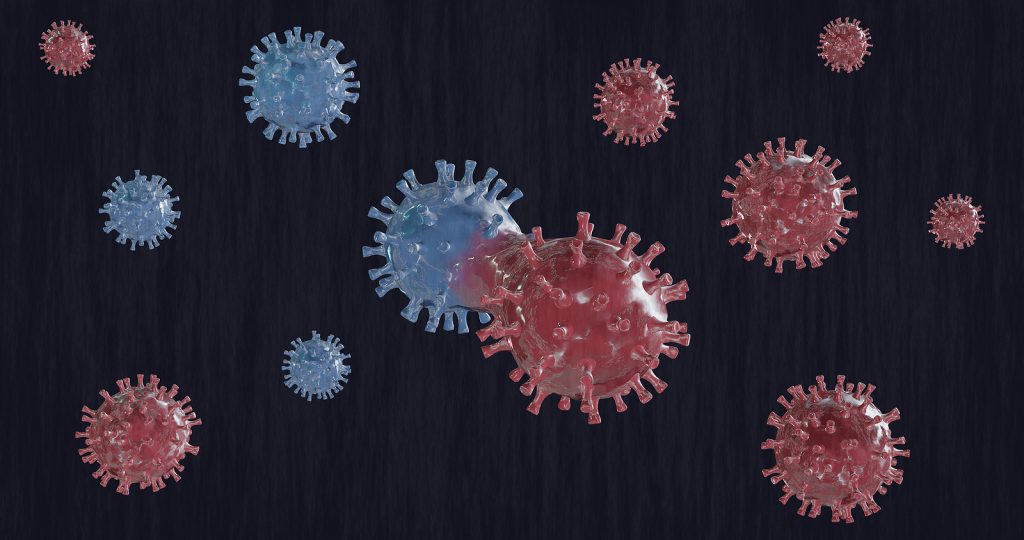

In 2026, a mysterious outbreak of hantavirus on a cruise ship raised significant global health concerns. The virus, typically transmitted through rodent droppings, quickly spread among passengers and crew, leading to severe respiratory symptoms and requiring immediate medical attention. The outbreak highlighted vulnerabilities in maritime health safety protocols and the need for stringent monitoring of wildlife, especially in coastal areas.
Health authorities worldwide mobilized to investigate the outbreak, tracing potential sources and implementing emergency response measures. Quarantine protocols were enforced, and screening procedures were intensified at ports of entry. Experts emphasized the importance of public awareness campaigns regarding zoonotic diseases.
This incident prompted international discussions on enhancing collaboration between public health agencies, environmental scientists, and maritime industries to tackle emerging infectious diseases. As the cruise industry faced potential repercussions, travelers began to reconsider health risks associated with large gatherings and travel to remote areas, leading to a shift in global tourism dynamics in the years to come.
For more details and the full reference, visit the source link below: